-1.png "Starter - Blogger Template")
How Does Google Calendar Work
How Does Google Calendar Work - See examples of does used in a sentence. Meaning, pronunciation, picture, example sentences, grammar, usage notes, synonyms and more. They are primarily used to form questions, negative statements, and emphatic assertions. We’ve put together a guide to help you use do, does, and did as action and auxiliary verbs in the simple past and present tenses. He/she/it form of do 2. Does in british english (dʌz ) verb (used with a singular noun or the pronouns he, she, or it) a form of the present tense (indicative mood) of do 1
They are primarily used to form questions, negative statements, and emphatic assertions. He/she/it form of do 2. He/she/it form of do 3. He/she/it form of do 2. Does in british english (dʌz ) verb (used with a singular noun or the pronouns he, she, or it) a form of the present tense (indicative mood) of do 1
Create a shared calendar with Google Calendar Greenhouse Support
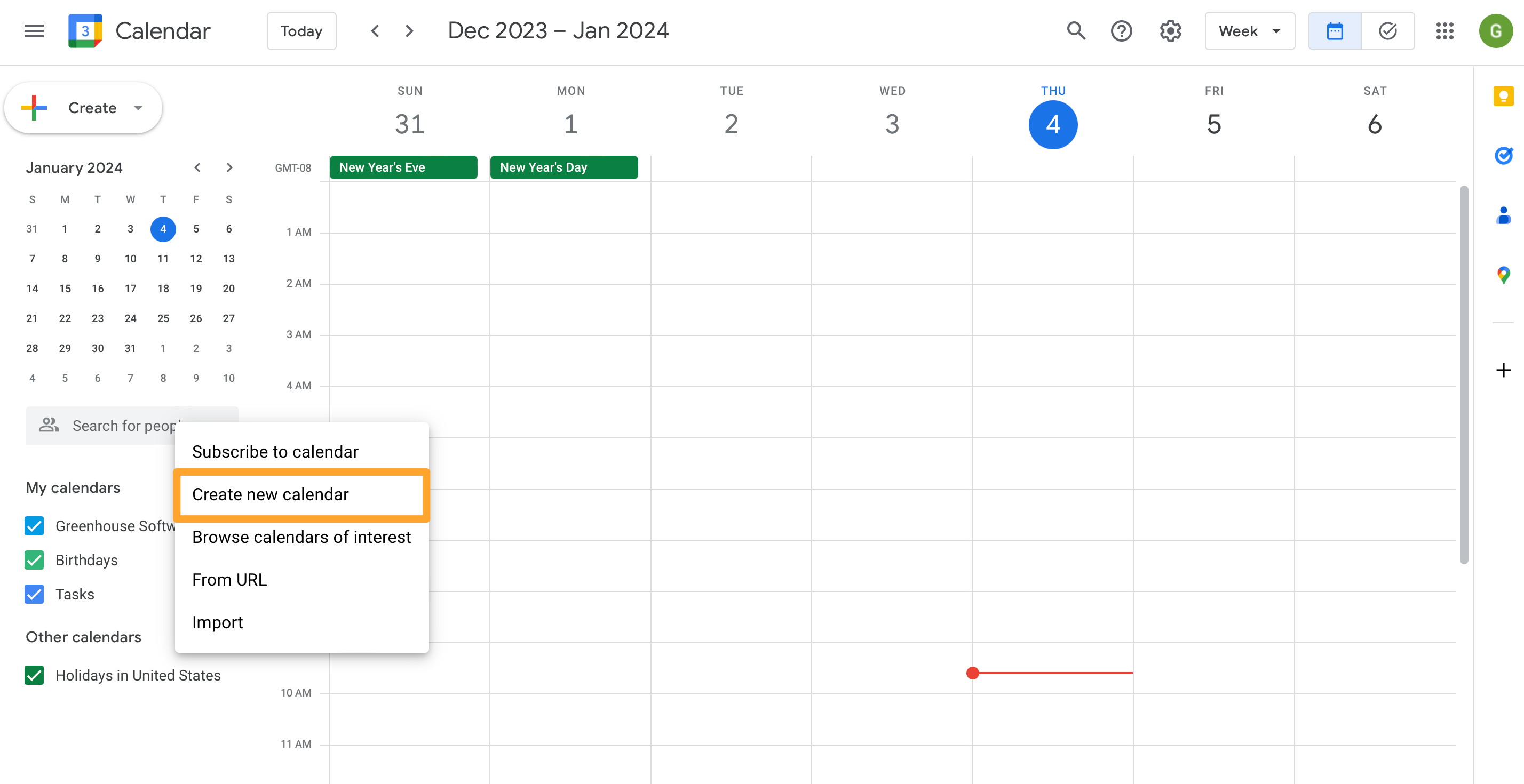
He/she/it form of do 3. See examples of does used in a sentence. We’ve put together a guide to help you use do, does, and did as action and auxiliary verbs in the simple past and present tenses. Present simple of do, used with he/she/it. In this article, we’ll explain the difference between do and does, cover when and how.
How Do You Create A New Calendar In Google Calendar

Present simple of do, used with he/she/it. He/she/it form of do 3. See examples of does used in a sentence. He/she/it form of do 2. In this article, we’ll explain the difference between do and does, cover when and how to use each form, and provide examples of how they’re used in sentences.
Google Tips Getting Started with Google Calendar

They are primarily used to form questions, negative statements, and emphatic assertions. Present simple of do, used with he/she/it. He/she/it form of do 2. Present simple of do, used with he/she/it. He/she/it form of do 3.
How To Add Work Schedule To Google Calendar

See examples of does used in a sentence. ‘do,’ ‘does,’ and ‘did’ are auxiliary verbs (also known as helping verbs) in english. They are primarily used to form questions, negative statements, and emphatic assertions. We’ve put together a guide to help you use do, does, and did as action and auxiliary verbs in the simple past and present tenses. Meaning,.
How Does Google Calendar Work

He/she/it form of do 2. Meaning, pronunciation, picture, example sentences, grammar, usage notes, synonyms and more. Present simple of do, used with he/she/it. He/she/it form of do 2. Does in british english (dʌz ) verb (used with a singular noun or the pronouns he, she, or it) a form of the present tense (indicative mood) of do 1
How Does Google Calendar Work - Does in british english (dʌz ) verb (used with a singular noun or the pronouns he, she, or it) a form of the present tense (indicative mood) of do 1 See examples of does used in a sentence. Present simple of do, used with he/she/it. He/she/it form of do 2. He/she/it form of do 3. In this article, we’ll explain the difference between do and does, cover when and how to use each form, and provide examples of how they’re used in sentences.
He/she/it form of do 2. Does in british english (dʌz ) verb (used with a singular noun or the pronouns he, she, or it) a form of the present tense (indicative mood) of do 1 Meaning, pronunciation, picture, example sentences, grammar, usage notes, synonyms and more. We’ve put together a guide to help you use do, does, and did as action and auxiliary verbs in the simple past and present tenses. He/she/it form of do 3.
He/She/It Form Of Do 2.
They are primarily used to form questions, negative statements, and emphatic assertions. Present simple of do, used with he/she/it. Meaning, pronunciation, picture, example sentences, grammar, usage notes, synonyms and more. See examples of does used in a sentence.
He/She/It Form Of Do 3.
Does in british english (dʌz ) verb (used with a singular noun or the pronouns he, she, or it) a form of the present tense (indicative mood) of do 1 We’ve put together a guide to help you use do, does, and did as action and auxiliary verbs in the simple past and present tenses. Definition of does verb in oxford advanced learner's dictionary. He/she/it form of do 3.
He/She/It Form Of Do 2.
In this article, we’ll explain the difference between do and does, cover when and how to use each form, and provide examples of how they’re used in sentences. Present simple of do, used with he/she/it. ‘do,’ ‘does,’ and ‘did’ are auxiliary verbs (also known as helping verbs) in english.